
Services
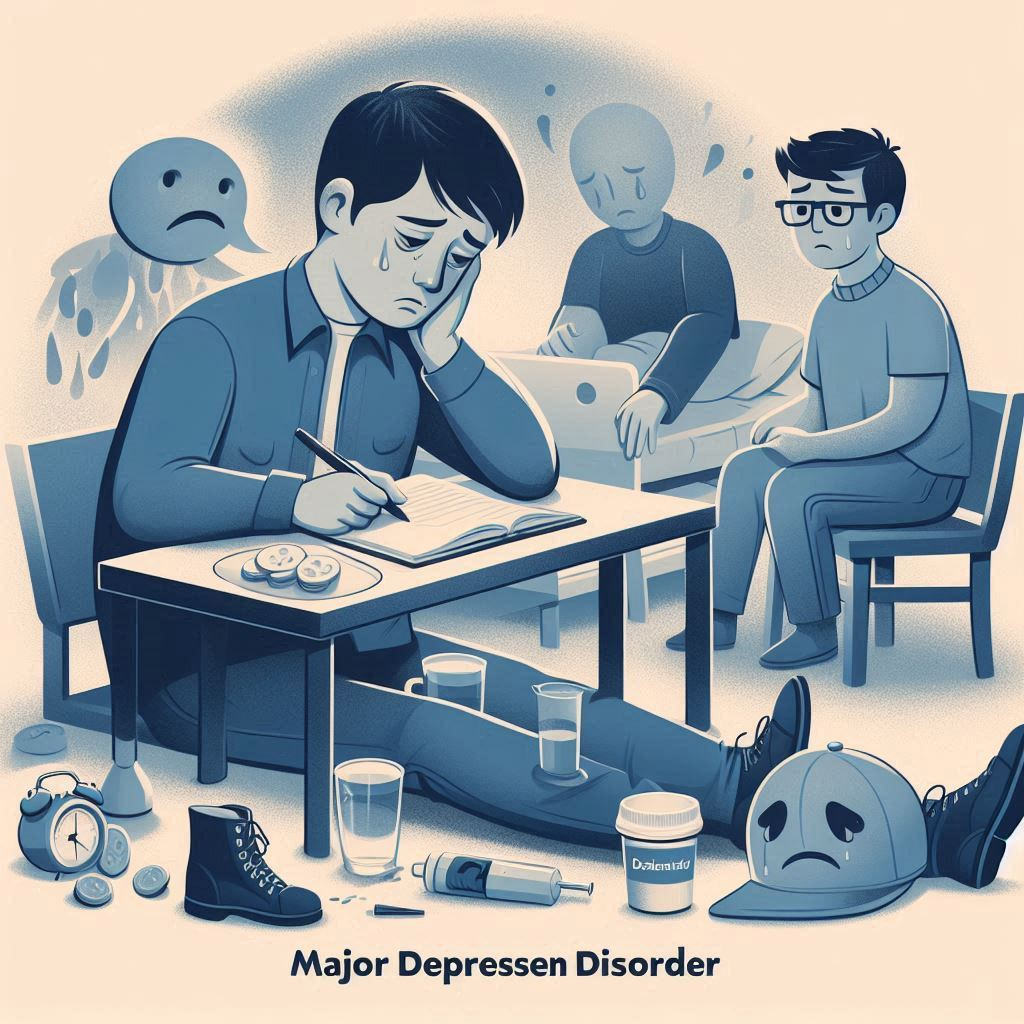
Depression: A Persistent Mood Disorder
Major depressive disorder is characterized by persistent sadness and a lack of interest in activities.
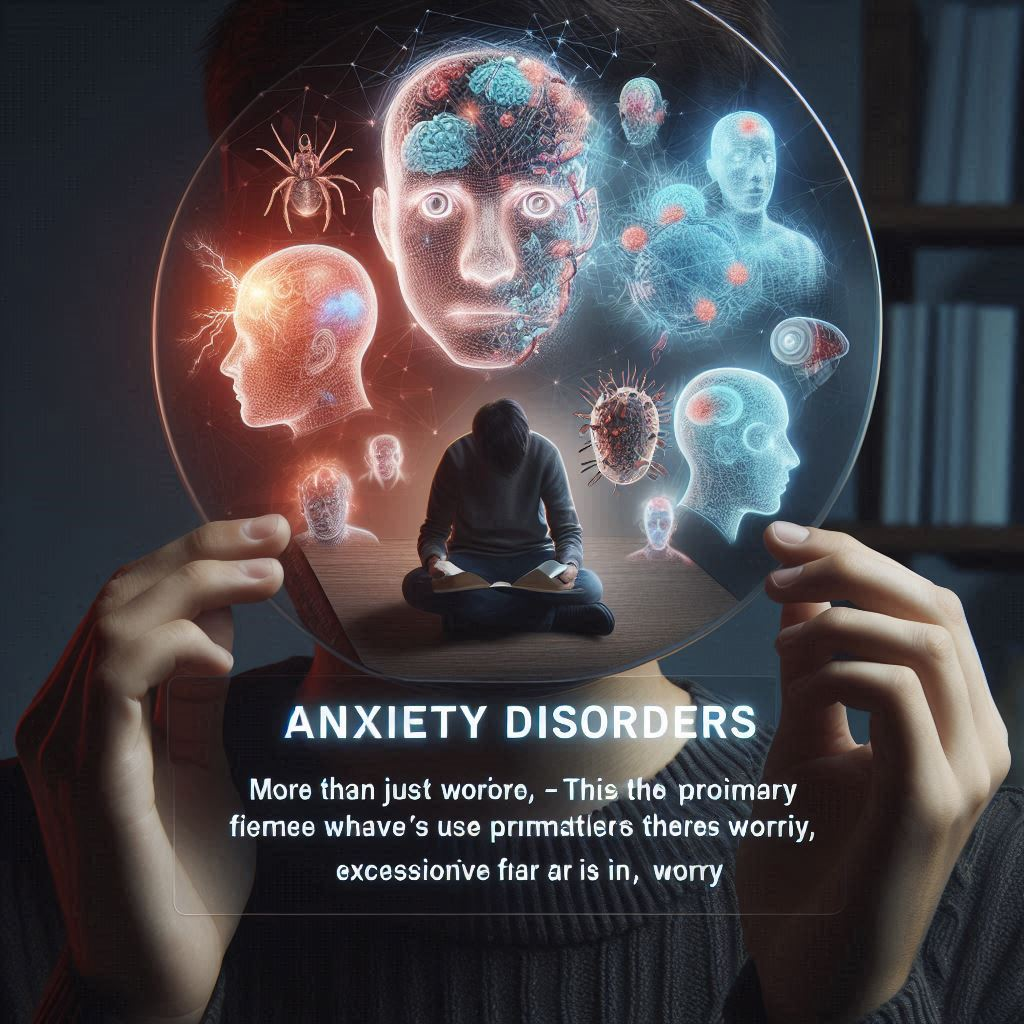
Anxiety Disorders: More Than Just Worry
This group includes disorders where the primary feature is excessive fear or worry.
Some Physical Symptoms may include Fast heartbeat or palpitations, Sweating or trembling, Feeling dizzy or lightheaded, Stomach aches or nausea.

Addiction: Understanding and Overcoming Dependence
Addiction, or substance use disorder, involves an inability to stop using substances or engaging in harmful behaviors, despite negative consequences. It can include alcohol, cannabis, opioids, tobacco, and behavioral addictions like gambling.
Bipolar Disorder: Navigating Extreme Emotions
Bipolar mood disorder is a mental health condition that causes extreme mood swings, including emotional highs (mania or hypomania) and lows (depression).

Schizophrenia: Beyond the Myths
Schizophrenia is a severe psychotic disorder affecting a person’s ability to think clearly, manage emotions, and relate to others.
Obsessive-Compulsive Disorder (OCD): Breaking the Cycle
OCD involves recurring obsessions (unwanted thoughts) and compulsions (repetitive behaviors), causing significant distress.
Sexual Problems: Addressing Intimacy and Emotional Well-being
Sexual problems are often intertwined with mental health and can include issues such as low libido, erectile dysfunction, premature ejaculation, and painful intercourse. These issues can arise from a combination of psychological, physical, and relational factors.
Depression: A Persistent Mood Disorder
Major depressive disorder is characterized by persistent sadness and a lack of interest in activities.
Major depressive disorder is characterized by persistent sadness and a lack of interest in activities. Symptoms may include:
- Changes in sleep patterns (insomnia or excessive sleeping)
- Altered appetite and significant weight changes
- Chronic fatigue and low energy levels
- Cognitive difficulties, such as trouble concentrating and decision-making
- Changes in daily behavior and self-esteem
A combination of medicines and therapy have proved effective in its management.
Anxiety Disorders: More Than Just Worry
This group includes disorders where the primary feature is excessive fear or worry.
- This group includes disorders where the primary feature is excessive fear or worry.
- Some Physical Symptoms may include Fast heartbeat or palpitations, Sweating or trembling, Feeling dizzy or lightheaded, Stomach aches or nausea.
- Also you may end up avoiding situations that make you anxious or find it hard to concentrate or focus.
- It encompasses generalized anxiety disorder, panic disorder, and social anxiety disorder, each marked by different types of anxiety or fear-related symptoms.
Addiction: Understanding and Overcoming Dependence
Addiction, or substance use disorder, involves an inability to stop using substances or engaging in harmful behaviors, despite negative consequences.
Addiction, or substance use disorder, involves an inability to stop using substances or engaging in harmful behaviors, despite negative consequences. It can include alcohol, cannabis, opioids, tobacco, and behavioral addictions like gambling.
Symptoms and Diagnosis: Key factors include dependence, lack of control over usage, behavioral changes, and impacts on health.
Treatment and Recovery: Recovery often involves rehabilitation, medication-assisted treatment, CBT, support groups, and ongoing monitoring to prevent relapse.
FAQs
Persistent sadness, loss of interest in activities, changes in sleep and appetite, and difficulty concentrating.
Anxiety disorders involve excessive fear or worry that is disproportionate to the situation and significantly interferes with daily life.
Untreated addiction can lead to severe physical and mental health issues, relationship problems, legal issues, and even death.
There is no cure for bipolar disorder, but it can be managed effectively with medication and therapy.
A combination of antipsychotic medications and supportive therapies, such as CBT and family support, is most effective.
OCD can disrupt daily activities, work, and relationships, causing significant distress and impacting quality of life.
An understanding which is often lagging about Psychiatric medications is the importance of using it early on in the illness. For eg: if a person develops fever, it is important to use paracetamol to decrease it. If we only use cold sponges it will take longer and in severe cases it can lead to dire consequences. Similarly counseling helps in mild cases like cold sponges.